
Plan your first trip to Japan with ten experiences, from sushi making and Mount Fuji to onsen, sumo, matcha, and tea ware painting in Shibuya.
This list is Edo Saryo’s editorial selection. Inbound travel research provides context for interests such as food, scenery, and hot springs. Japan Tourism Agency survey
Contents
- Make Sushi or Take a Japanese Cooking Class
- See Mount Fuji and Spend Time Outdoors
- Stay at a Ryokan and Soak in an Onsen
- Try Matcha and Japanese Sweets
- Visit Shrines and Temples
- Paint Japanese Ceramics or Try a Craft Workshop
- Rent a Kimono and Explore a Historic Neighborhood
- Watch Sumo in Japan
- Explore Japan’s Anime and Gaming Culture
- Plan Around Cherry Blossoms, Autumn Leaves, or Festivals
Compare the experiences
| Experience | Where and how much time to allow |
|---|---|
| Make Sushi or Take a Japanese Cooking Class | Tokyo / allow time for a class and meal |
| See Mount Fuji and Spend Time Outdoors | Lake Kawaguchi / allow most of a day from Tokyo |
| Stay at a Ryokan and Soak in an Onsen | Hot spring towns / day trip or overnight stay |
| Try Matcha and Japanese Sweets | Tokyo or Kyoto / a tea break or workshop |
| Visit Shrines and Temples | Asakusa or Kyoto / short walk or half day |
| Paint Japanese Ceramics or Try a Craft Workshop | Shibuya / about two hours at Edo Saryo |
| Rent a Kimono and Explore a Historic Neighborhood | Asakusa or Kyoto / allow time for dressing and return |
| Watch Sumo in Japan | Host cities / check the tournament schedule |
| Explore Japan’s Anime and Gaming Culture | Akihabara or Shibuya / a short stop or half day |
| Plan Around Cherry Blossoms, Autumn Leaves, or Festivals | Across Japan / timing depends on the season |
1. Make Sushi or Take a Japanese Cooking Class
Making nigiri by hand gives you a feel for how much rice to use and how firmly to shape it. Pair a Tokyo cooking class with a market visit if the locations fit. Look for rolls or home cooking if you prefer cooked ingredients, and ask the host about allergies before booking.
Read the class description for the amount of hands-on work and whether there is a meal at the end. A nigiri class often gives you several chances to improve your technique, while rolling maki is a satisfying group activity because you can compare each cross-section. If you are combining a market walk with a lesson, check the walk from the market to the meeting point before booking.

VulcanSphere / Wikimedia Commons / CC BY 4.0
2. See Mount Fuji and Spend Time Outdoors
A walk by Lake Kawaguchi gives you time to watch the clouds move around Mount Fuji. Pick one area you would enjoy exploring even if the peak stays hidden. A nearby museum or café gives you an easy alternative without changing the whole itinerary.
For a Tokyo day trip, build the day around one lakeside stop and check your return transport before setting out. A morning walk followed by lunch can be enough. If your goal is to climb rather than see the mountain, plan a separate outing around official route information, opening dates, and current rules.

LMP 2001 / Wikimedia Commons / CC BY-SA 4.0
3. Stay at a Ryokan and Soak in an Onsen
A ryokan is a Japanese-style inn and an onsen is a natural hot spring. Arrive early enough to bathe before dinner. Wash before entering a shared bath and keep your towel out of the water. Ask the property about private bath reservations and tattoo policies.
Check whether dinner is included and when you need to arrive. A day-use bath can fit a tighter itinerary. A ryokan stay makes more sense when you have time to enjoy both the bath and the meal. If privacy or accessibility matters, check the bath layout, access from your room, and reservation rules.

Markmark28 / Wikimedia Commons / CC BY-SA 3.0
4. Try Matcha and Japanese Sweets
Take a bite of wagashi, a Japanese sweet, then sip your matcha. Notice how the lingering sweetness changes the taste of the tea. A tea demonstration, a whisking lesson, and a tea-and-sweets pairing offer different experiences, so read what is included before you book.
Look at the thickness of the rim and how the bowl sits in your hands. Those details are worth noticing if you are planning to buy or paint a tea bowl yourself. In Tokyo, a matcha stop is easy to fit into a rainy afternoon or as a quiet break between busier parts of the day.

See the tea ware painting workshop
5. Visit Shrines and Temples
Give yourself time to walk the approach and look at the buildings. A shrine often has a torii gate, while a Buddhist temple may have incense or a main hall. Check opening times and follow the signs for photography and access.
In Asakusa, Sensō-ji and Asakusa Shrine make an easy pairing on a single walk. In Kyoto, a shrine approach and a temple garden can offer very different ways to spend a morning. Pick one place you can explore slowly, leaving room to read signs and notice how the path and buildings fit the neighborhood.

Immanuelle / Wikimedia Commons / CC BY-SA 4.0
6. Paint Japanese Ceramics or Try a Craft Workshop
At Edo Saryo in Shibuya, choose Edo-style painting, freestyle painting, or a matcha bowl workshop. Spend about two hours decorating tea ware and enjoying matcha with a Japanese sweet. Take your finished piece home the same day.
Choose Edo-style painting if you would like to work from motifs such as cherry blossoms or waves. Freestyle suits a design based on your own palette or pattern. A matcha bowl gives you both an interior and exterior to think about. Leave some room in your luggage if you plan to bring a finished piece home.


Premium Matcha Bowl Painting — weekday plan and availability
Check Prices & Availability in Shibuya
7. Rent a Kimono and Explore a Historic Neighborhood
In Asakusa or Kyoto, a kimono rental can be a reason to spend longer in one neighborhood. Pick a short walk with a few places for photographs. Ask about dressing time, luggage storage, and the latest return time.
In summer, keep the walking route short and plan a break out of the heat. In winter, ask what warm layers you can wear with the rental. A lane, a bridge, and a storefront can offer three distinct settings for photographs without spending the afternoon rushing between landmarks.

Dumphasizer / Wikimedia Commons / CC BY-SA 2.0
8. Watch Sumo in Japan
Notice the rituals before the opening clash. Check tournament dates and host cities before arranging your trip. Morning practice is a different option if your dates do not fit a tournament. Ask about arrival time, photography, and visitor rules.
Watch a whole bout from preparation through the finish, paying attention to footwork and how each wrestler manages distance. If sumo is a priority on your trip, check the Japan Sumo Association’s information for the venue and ticket types before booking other plans around it.

Nao1213 / Wikimedia Commons / CC BY-SA 4.0
9. Explore Japan’s Anime and Gaming Culture
Browse specialty shops and play arcade games in Akihabara, or fit a gaming or character shop into a Shibuya afternoon. Check admission and dates before planning around a limited exhibition or themed café.
If you only have a short visit, decide on one item you want to look for and one game you want to play. If your group has mixed interests, agree on a meeting spot near the station so people can browse at their own pace.

Nesnad / Wikimedia Commons / CC BY 4.0
10. Plan Around Cherry Blossoms, Autumn Leaves, or Festivals
Cherry blossoms and autumn colors vary by region and year, so keep a few potential spots in mind. For a festival or evening illumination, check the program and how you will get back after it finishes.
A garden by daylight and the same garden under evening illumination offer different views. For a festival, look up procession or performance times as well as food stalls. Check the venue’s latest information shortly before your visit, especially if seasonal colors or a particular performance are the reason you are going.
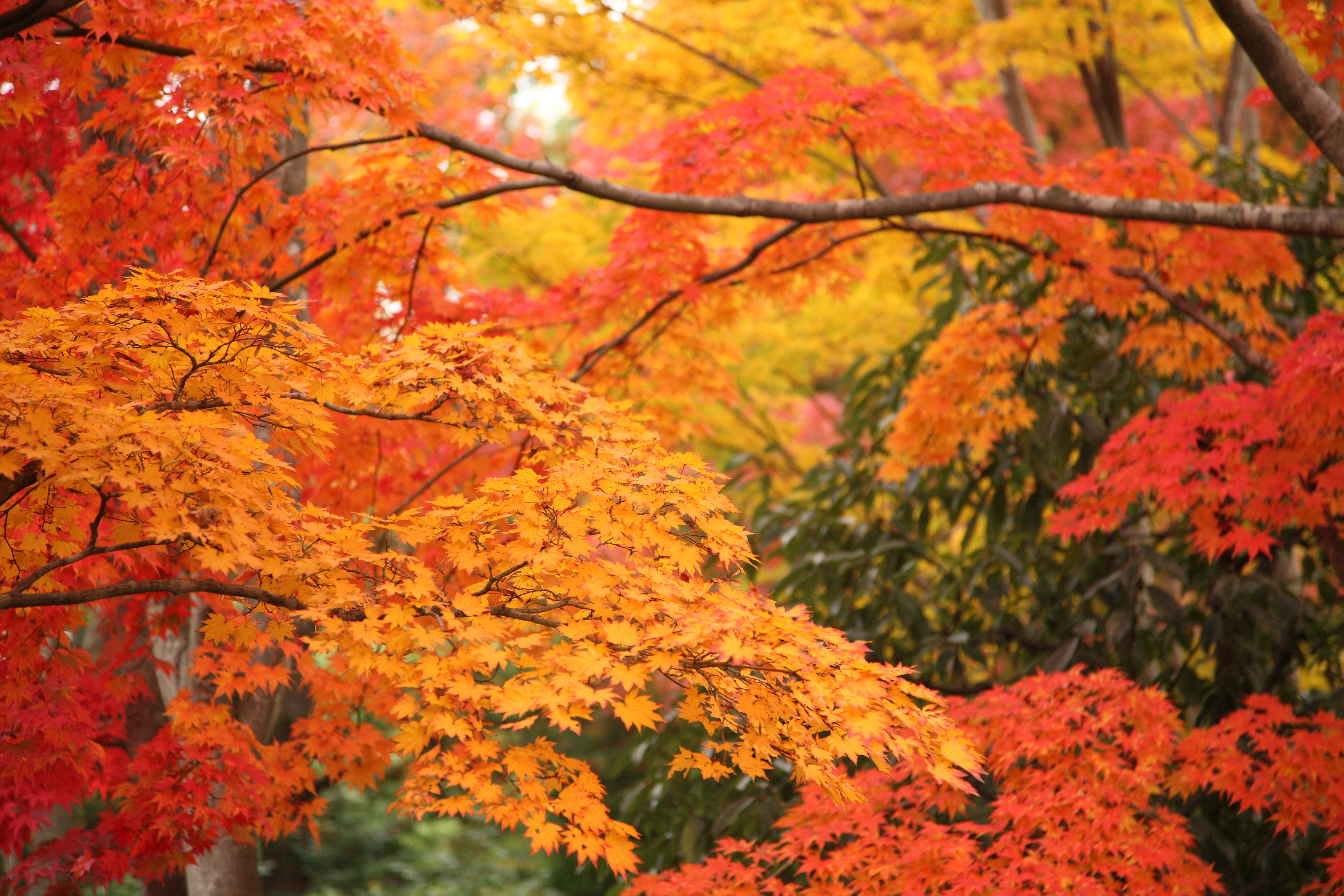
mrhayata / Wikimedia Commons / CC BY-SA 2.0
Sample itineraries
- Half a day in Tokyo: Shibuya tea ware painting, followed by a neighborhood walk and a meal.
- Three days: Tokyo food and neighborhoods, a weather-dependent Fuji day, then a shrine or temple and a craft workshop.
- Rainy day: An indoor exhibit in the morning, ceramics and matcha in the afternoon.
Check Prices & Availability in Shibuya
Frequently Asked Questions
Do I need to speak Japanese? Check the workshop’s language support and meeting instructions before booking.
Can I join a workshop on my departure day? Choose same-day collection and leave time for the airport transfer.


